DIMDs encompass a range of conditions, each with distinct clinical presentations and underlying pathophysiology. Explore the characteristics that distinguish different DIMDs and key considerations for their recognition, assessment, and differential diagnosis.
WHY IT MATTERS
When it comes to DIMDs, one size does not fit all. Because each movement disorder has a distinct presentation and pathophysiology, treatment approaches may differ. Recognizing and differentiating among DIMDs is an important step toward identifying an appropriate treatment approach for each DIMD.
Explore Resources on Differential Diagnosis
QUIZ
Is it Tardive Dyskinesia? Interactive Quiz #1
Put your knowledge to the test with this first of three interactive patient video quizzes designed to strengthen recognition of tardive dyskinesia (TD). Determine whether each case is consistent with TD or another movement disorder and receive immediate feedback to strengthen your differential diagnosis skills.
VIDEO
Differentiating Tardive
Dyskinesia from Drug-Induced Parkinsonism
Learn about how to distinguish tardive dyskinesia from drug-induced parkinsonism with this animated overview. Review key differences in clinical presentation and timing of onset and discover why accurate differential diagnosis is critical to selecting appropriate treatment.
PODCAST
Join Desiree Mathews and Gaetha Mills as they discuss how to recognize tardive dyskinesia, covering its definition, signs, and symptoms, while also discussing the vital importance of regular assessments and best practices for screening in both in-person and telehealth settings.
This podcast has been sponsored and co-developed by Neurocrine Biosciences, Inc. This podcast is for educational purposes only and is not intended to promote any specific product. The speakers are presenting on behalf of and are paid consultants for Neurocrine Biosciences. The information provided herein is based upon the healthcare provider’s clinical judgment and personal experience.
Explore Resources on TD Spotlight: Recognition & Assessment
INFOGRAPHIC
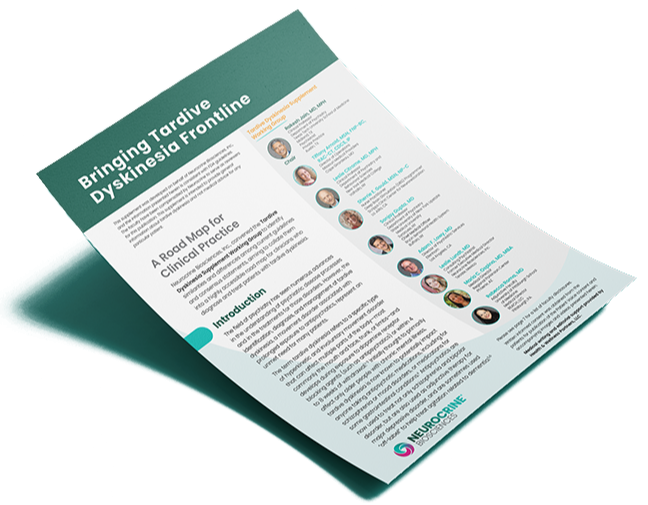
Bringing Tardive Dyskinesia Frontline
Review a practical, evidence-based
roadmap for TD care, bringing together
key clinical guidelines and expert
consensus recommendations for
screening, diagnosis, treatment, and
ongoing monitoring.
VIDEO
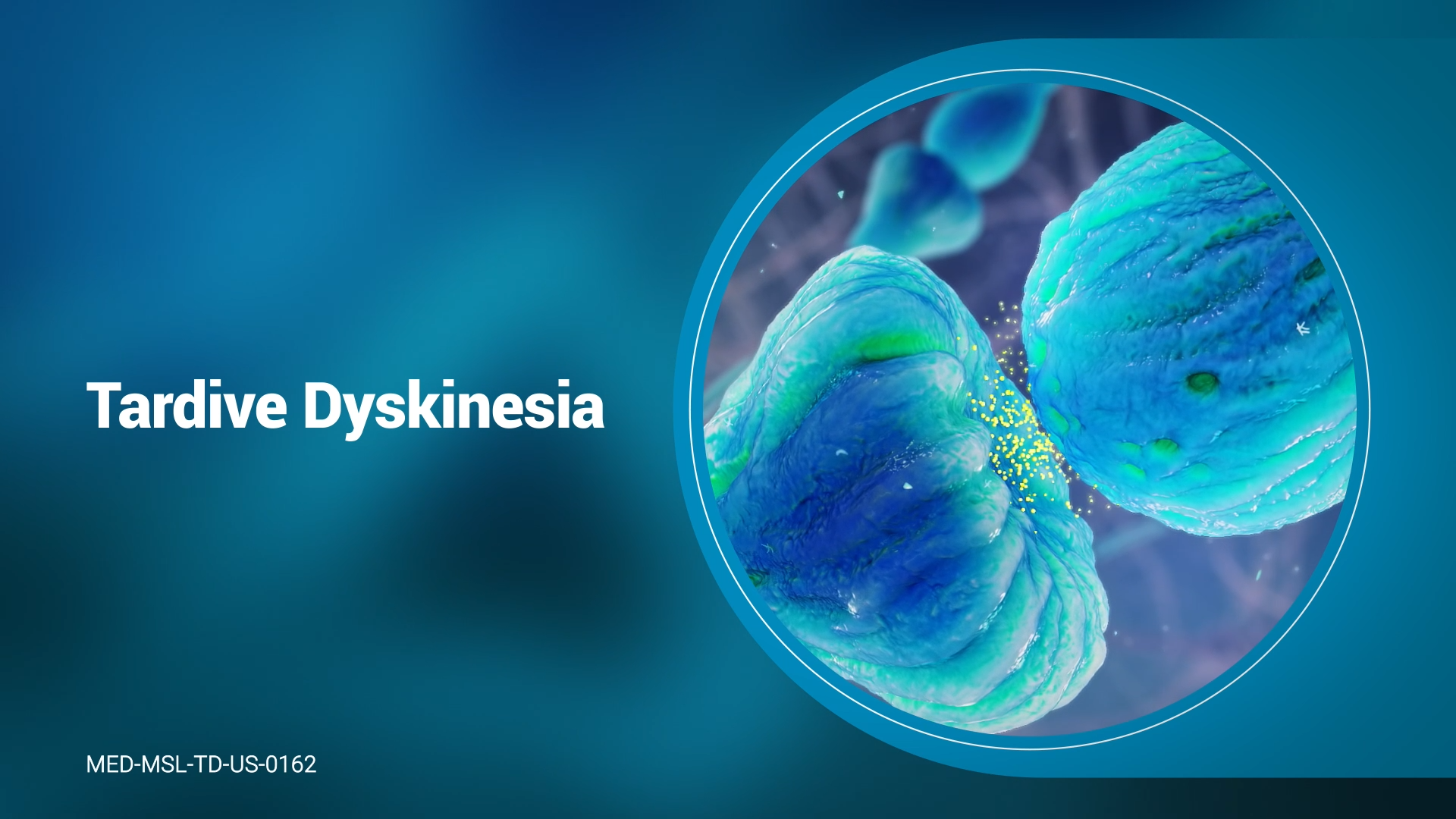
Mechanism of Disease: Tardive Dyskinesia
Discover the proposed mechanism of disease underlying tardive dyskinesia in this educational animation.
INFOGRAPHIC
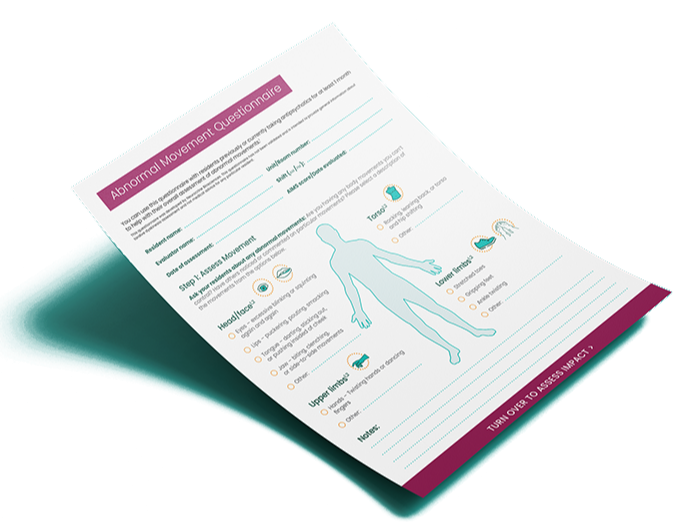
The Abnormal Movement Questionnaire
Utilize this questionnaire to support the assessment of abnormal involuntary movements across multiple regions of the body, as well as any physical, social, and emotional impact on your patients.
Your Resources on Tardive Dyskinesia and Other DIMDs
These
free educational resources are
sponsored and developed by
Neurocrine Biosciences, Inc.
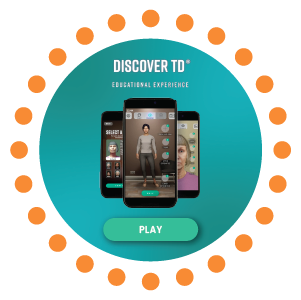
Discover TD®
In this interactive application, users can differentially diagnose and develop appropriate
management plans for hypothetical, virtual patients with various movement disorders.
DIMD Course
Enroll in this free, virtual self-paced learning platform delving into various clinical aspects of the most common DRBA-induced movement disorders and earn a recognized certificate of completion.
Media Platforms
TD Dialogues® Podcast
Hear from experts in insightful conversations as they discuss the challenges of recognizing TD and share real-world strategies to effectively support patients
in managing symptoms.
This channel features educational videos designed
to further understanding of TD, including content on the proposed mechanism of disease in TD and differentiating TD from drug-induced parkinsonism.
Explore the DIMD Ecosystem Library
Want to explore our collection of DIMD educational resources on your own? Use the link below to view the full content library.
This educational
content was sponsored and developed
by Neurocrine Biosciences, Inc. This
non-CME program is intended to
provide general information about
drug-induced movement disorders and
not medical advice for any particular
patient.