Burden and Impact
Understanding DIMDs can require looking beyond their clinical presentation. The burden and impact associated with DIMDs may be substantial, particularly for TD, a persistent and often irreversible disorder. The abnormal involuntary movements of TD may affect multiple aspects of patients’ lives, including their physical, social, and emotional well-being. Explore the evidence to gain a broader understanding of TD burden.
WHY IT MATTERS
What is observed clinically may tell only part of the story. The impact of a DIMD can vary considerably from patient to patient and may influence aspects of life that are not immediately apparent during an assessment. Considering the patient’s perspective alongside clinical observations can help provide a more complete picture of disease burden.
Explore Burden and Impact Resources
PRESENTATION
Burden and Impact of Tardive Dyskinesia

Review key evidence on the burden of tardive dyskinesia (TD), including its effects on quality of life, daily functioning, and social and emotional well-being.
VIDEO
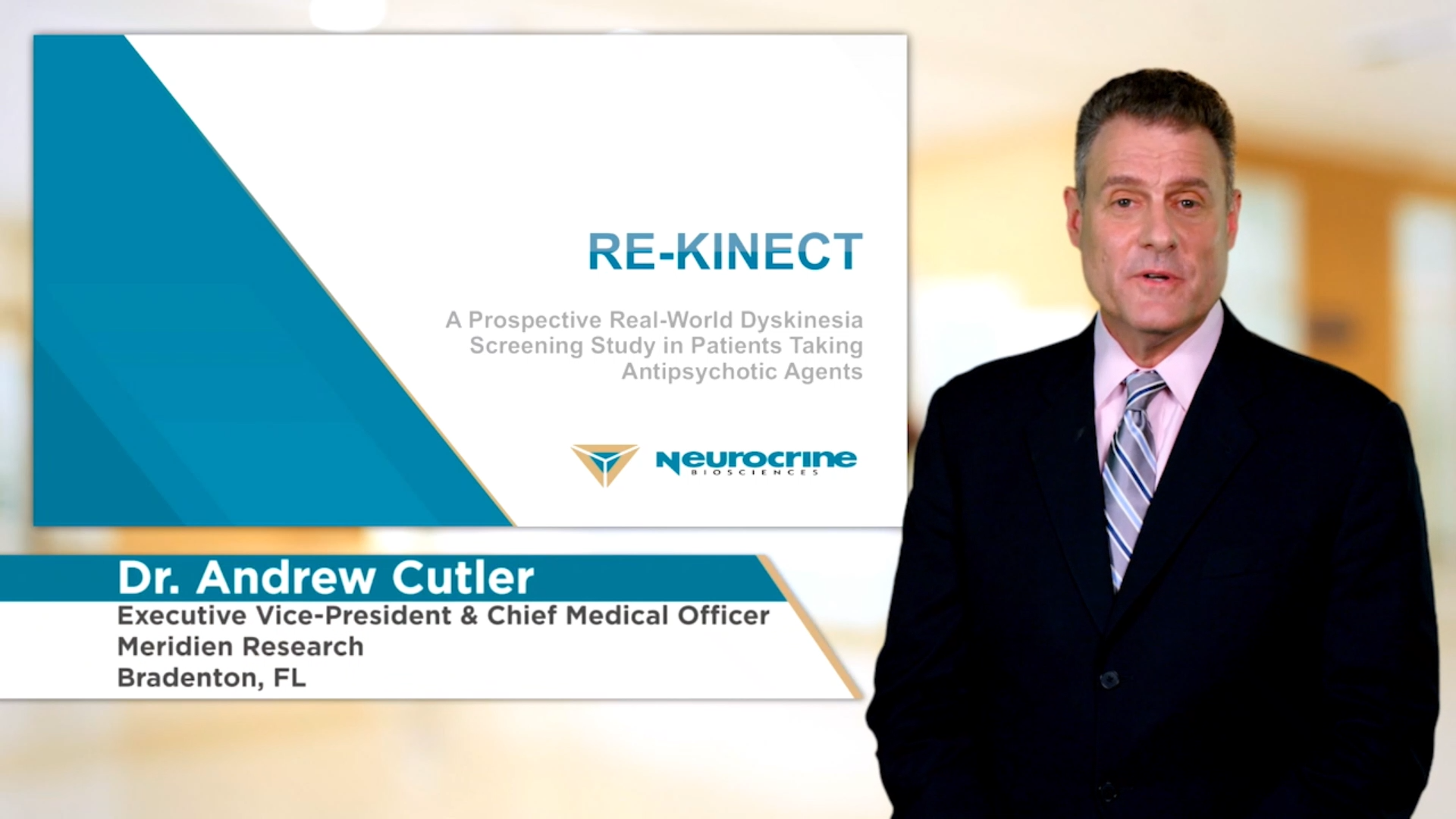
RE-KINECT: Real-World Dyskinesia Screening Study

Join Dr. Andrew Cutler as he shares insights from the RE-KINECT study, including findings on the prevalence and impact of possible tardive dyskinesia (TD) in patients in outpatient psychiatry practices in the United States.
Faculty have been
compensated by Neurocrine
Biosciences, Inc.
PODCAST
Tune in with Dr. Amita Patel as she shares her insights into what tardive dyskinesia is, its risk factors, and its impact on older adults and caregivers, highlighting the importance of early recognition and management of this frequently underdiagnosed movement disorder in the long-term care setting.
This podcast has been sponsored and co-developed by Neurocrine Biosciences, Inc. This podcast is for educational purposes only and is not intended to promote any specific product. The speaker is presenting on behalf of and is a paid consultant for Neurocrine Biosciences. The information provided herein is based upon the healthcare provider’s clinical judgment and personal experience.
Your Resources on Tardive Dyskinesia and Other DIMDs
These
free educational resources are
sponsored and developed by
Neurocrine Biosciences, Inc.
Media Platforms

TD Dialogues® Podcast
Hear from experts in insightful conversations as they discuss the challenges of recognizing TD and share real-world strategies to effectively support patients
in managing symptoms.

Neurocrine Medical: Brave Science™ YouTube Channel
This channel features educational videos designed
to further understanding of TD, including content on the proposed mechanism of disease in TD and differentiating TD from drug-induced parkinsonism.
This educational
content was sponsored and developed
by Neurocrine Biosciences, Inc. This
non-CME program is intended to
provide general information about
drug-induced movement disorders and
not medical advice for any particular
patient.
LearnWorlds Privacy Policy | Terms & Conditions | Cookie Policy
Neurocrine Privacy Policy

Copyright © 2026
MED-MI-TD-US-0276