RECOGNITION AND ASSESSMENT  |  TD SPOTLIGHT

Expert Panel Discussion: Clinical Features of Tardive Dyskinesia

Join Dr. Andrew Cutler, Dr. Carlie Tanner, and Jeremy Schreiber for a clinical roundtable defining tardive dyskinesia (TD), exploring its movement phenomenology and typical onset following dopamine receptor-blocking agent (DRBA) exposure, and reviewing real patient videos that illustrate common presentations of TD.
Faculty have been compensated by Neurocrine Biosciences, Inc.
Empty space, drag to resize
Write your awesome label here.

MED-MI-TD-US-0153

Up Next
Expert Panel Discussion: Tardive Dyskinesia Workup and Assessment
Join Dr. Andrew Cutler, Dr. Carlie Tanner, and Jeremy Schreiber for a clinical roundtable reviewing the DSM-5 diagnostic criteria for tardive dyskinesia (TD), emphasizing the importance of regular clinical assessments at every visit, discussing the Abnormal Involuntary Movement Scale (AIMS) examination to evaluate TD severity, and noting key questions and considerations for assessing the psychosocial impact of TD.
Faculty have been compensated by Neurocrine Biosciences, Inc.

Your Resources on Tardive Dyskinesia and Other DIMDs

These free educational resources are sponsored and developed by Neurocrine Biosciences, Inc.
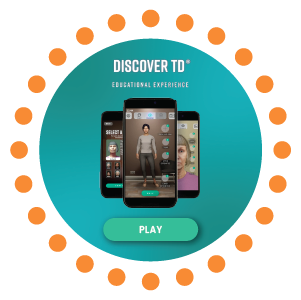
Discover TD®
In this interactive application, users can differentially diagnose and develop appropriate management plans for hypothetical, virtual patients with various movement disorders.
DIMD Course
Enroll in this free, virtual self-paced learning platform delving into various clinical aspects of the most common DRBA-induced movement disorders and earn a recognized certificate of completion. 

Media Platforms

TD Dialogues® Podcast
Hear from experts in insightful conversations as they discuss the challenges of recognizing TD and share real-world strategies to effectively support patients in managing symptoms.
Neurocrine Medical: Brave Science™ YouTube Channel
This channel features educational videos designed to further understanding of TD, including content on the proposed mechanism of disease in TD and differentiating TD from drug-induced parkinsonism.

Explore the DIMD Ecosystem Library

Want to explore our collection of DIMD educational resources on your own? Use the link below to view the full content library.
This educational content was sponsored and developed by Neurocrine Biosciences, Inc. This non-CME program is intended to provide general information about drug-induced movement disorders and not medical advice for any particular patient.

Copyright © 2026

MED-MI-TD-US-0276